Artificial Intelligence Breakthroughs Transforming the Tech Industry in 2026
Discover the top artificial intelligence breakthroughs transforming the tech industry in 2026. Learn how AI agents, generative AI, cybersecurity, and smart infrastructure are shaping the future of technology.
 TechViaMark
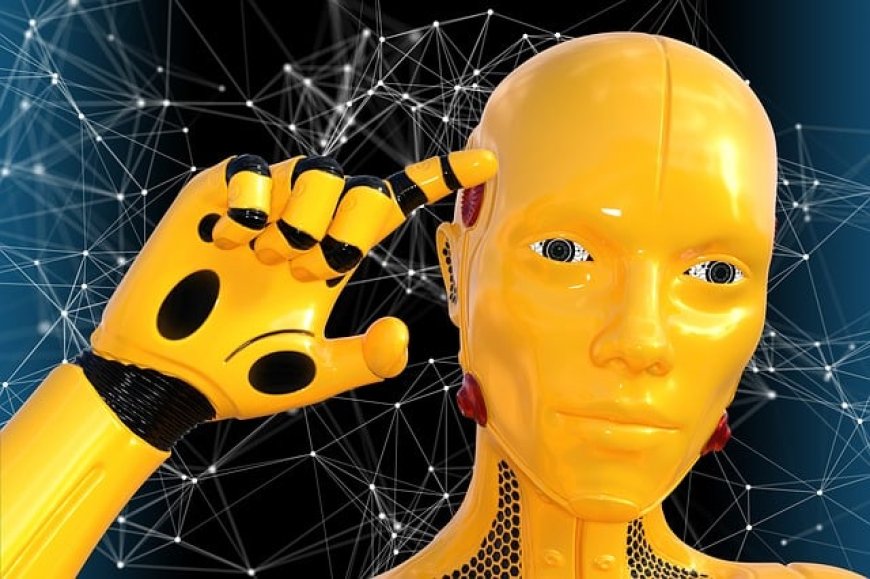
Artificial Intelligence is no longer an emerging trend — in 2026, it has become the backbone of the global tech industry. From autonomous systems and intelligent software agents to AI-powered infrastructure and personalized digital experiences, AI breakthroughs are redefining how technology is built, deployed, and used. Businesses, developers, and consumers alike are experiencing a rapid shift toward smarter, faster, and more adaptive systems.
This article explores the most important artificial intelligence breakthroughs of 2026, how they are transforming the tech industry, and why they matter for the future of innovation.
1. Autonomous AI Agents Redefine Productivity
One of the most significant AI breakthroughs in 2026 is the rise of autonomous AI agents. Unlike traditional AI tools that respond to prompts, these agents can plan, execute, and complete complex tasks independently.
AI agents are now capable of:
-
Managing workflows across multiple applications
-
Monitoring systems and making real-time decisions
-
Automating repetitive business processes
-
Coordinating with other AI agents
This shift is transforming industries such as software development, digital marketing, finance, and IT operations. Companies are increasingly relying on AI agents as virtual employees, dramatically improving efficiency and reducing operational costs.
2. Generative AI Moves Beyond Content Creation
Generative AI gained popularity for writing text and creating images, but in 2026 its capabilities have expanded far beyond content generation.
Modern generative AI systems now:
-
Design software architectures
-
Generate functional code and debug applications
-
Simulate product designs before manufacturing
-
Assist in scientific research and data modeling
This evolution positions generative AI as a problem-solving engine, not just a creative assistant. Tech companies are using it to accelerate innovation cycles and bring products to market faster than ever before.
3. AI-Driven Software Development Becomes the Norm
In 2026, AI is deeply embedded in the software development lifecycle. From planning to deployment, AI tools are transforming how applications are built.
Key advancements include:
-
AI-assisted coding with real-time error detection
-
Automated testing and quality assurance
-
Intelligent DevOps and deployment optimization
-
Predictive maintenance for applications
Developers are now focusing more on architecture and creativity, while AI handles repetitive coding tasks. This has lowered the barrier to entry for new developers and significantly increased development speed across the tech industry.
4. Smarter Infrastructure with AI-Optimized Systems
AI breakthroughs are also reshaping the foundation of technology: infrastructure. In 2026, data centers, cloud platforms, and edge devices are optimized using AI-driven resource management.
AI-powered infrastructure enables:
-
Dynamic allocation of computing resources
-
Reduced energy consumption
-
Faster data processing at the edge
-
Improved cybersecurity monitoring
These advancements make large-scale AI applications more sustainable, cost-effective, and accessible, supporting the continued expansion of intelligent systems worldwide.
5. AI Enhances Cybersecurity and Threat Detection
As cyber threats grow more sophisticated, AI has become a critical defense tool. In 2026, AI systems are capable of detecting and responding to threats in real time.
Breakthroughs in AI cybersecurity include:
-
Behavioral analysis to detect anomalies
-
Automated incident response systems
-
Predictive threat modeling
-
Continuous security monitoring
Instead of reacting to attacks after they occur, organizations can now prevent breaches before damage is done, significantly improving digital trust and system resilience.
6. Personalized AI Experiences Across Consumer Technology
AI is now deeply integrated into everyday consumer technology. Smartphones, wearables, smart homes, and personal software platforms are powered by AI that adapts to individual user behavior.
In 2026, AI delivers:
-
Personalized recommendations and interfaces
-
Real-time language translation and assistance
-
Intelligent automation of daily tasks
-
Context-aware digital interactions
This level of personalization is reshaping user expectations, pushing tech companies to design products that feel intuitive, responsive, and human-centric.
7. Ethical AI and Responsible Innovation Gain Momentum
As AI becomes more powerful, ethical considerations have moved to the forefront. In 2026, major tech companies are investing heavily in responsible AI frameworks.
Key developments include:
-
Bias detection and mitigation in AI models
-
Transparent and explainable AI systems
-
Stronger data privacy protections
-
Compliance with global AI regulations
These efforts aim to ensure that AI innovation remains trustworthy, inclusive, and aligned with societal values — a crucial step for long-term adoption.
8. AI Democratization Empowers Startups and Creators
Perhaps the most exciting breakthrough of 2026 is the democratization of AI. Advanced AI tools are no longer limited to large corporations.
Thanks to:
-
Open-source models
-
Low-code and no-code platforms
-
Affordable cloud AI services
Startups, freelancers, and independent creators can now build powerful AI-driven products with minimal resources. This shift is fueling innovation and competition across the tech ecosystem.
Conclusion
Artificial Intelligence breakthroughs in 2026 are transforming the tech industry at every level — from infrastructure and software development to consumer experiences and ethical governance. AI is no longer just a tool; it is a strategic foundation shaping the future of technology.
Organizations that embrace these advancements will gain a significant competitive advantage, while those that hesitate risk falling behind. As AI continues to evolve, one thing is clear: the tech industry of 2026 is being built by intelligent systems working alongside human creativity.