
Best Time to Visit Mount Kailash from Nepal Side – Complete Travel & Yatra Guide
Best Time to Visit Mount Kailash from Nepal Side – Complete Travel & Yatra Guide
 TechViaMark
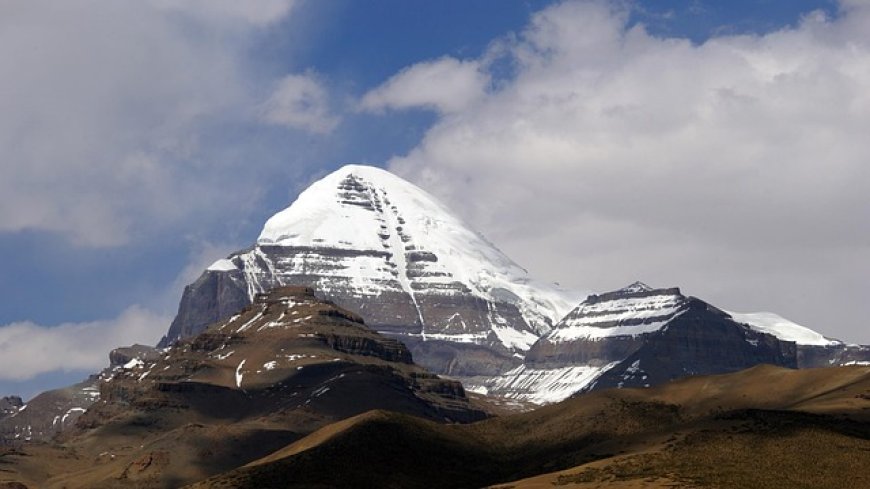
Mount Kailash is one of the most sacred pilgrimage destinations in the world. Revered by Hindus, Buddhists, Jains, and followers of Bon religion, this majestic peak located in the Tibetan Autonomous Region attracts thousands of spiritual seekers every year. Among the different routes available, the Nepal side route has become increasingly popular due to better accessibility, organized travel options, and smoother logistics.
Choosing the best time to visit Mount Kailash from the Nepal side is extremely important. Weather conditions, road accessibility, altitude challenges, and safety all depend heavily on the season you choose. This detailed guide explains the best months, seasonal conditions, and practical travel advice to help you plan a successful Kailash Mansarovar Yatra.
Why Choose the Nepal Side Route for Mount Kailash?
Before discussing the best time, it is helpful to understand why many pilgrims prefer the Nepal route:
-
Shorter overall travel duration
-
Well-managed yatra packages
-
Helicopter and overland options available
-
Easier acclimatization plans
-
Better medical and rescue facilities
Because of these advantages, timing your journey correctly through Nepal can significantly improve your overall experience.
Understanding the Climate Around Mount Kailash
Mount Kailash lies at a very high altitude, with extreme and unpredictable weather conditions. Even during summer, temperatures can drop suddenly. The region experiences:
-
Long, harsh winters
-
Short summers
-
Heavy snowfall during cold months
-
Monsoon influence during mid-year
Therefore, selecting the right travel window is critical.
Best Time to Visit Mount Kailash from Nepal Side
May to September – The Ideal Time
The best time to visit Mount Kailash from Nepal side is from May to September. During these months, the weather is comparatively stable, routes remain open, and pilgrimage activities are officially permitted.
Let’s break this down month by month.
Mount Kailash Visit in May
May marks the beginning of the Kailash Yatra season.
Weather Conditions:
-
Cold but manageable temperatures
-
Snow starts melting
-
Clear skies most of the time
Why May Is Good:
-
Roads gradually open after winter
-
Less crowded compared to peak months
-
Fresh landscapes and scenic views
Challenges:
-
Some high passes may still have snow
-
Cold nights require proper gear
Overall: May is excellent for travelers seeking a quieter and spiritually immersive experience.
Mount Kailash Visit in June
June is one of the most popular months for visiting Mount Kailash from Nepal.
Weather Conditions:
-
Pleasant daytime temperatures
-
Stable weather patterns
-
Minimal snowfall
Advantages:
-
Ideal for Kailash Parikrama (Kora)
-
Good road conditions
-
High success rate for completing yatra
Considerations:
-
Increased number of pilgrims
-
Advance bookings required
Overall: June is considered one of the best months for first-time pilgrims.
Mount Kailash Visit in July
July continues to be favorable but introduces monsoon effects.
Weather Conditions:
-
Moderate temperatures
-
Occasional rainfall in Nepal
-
Tibet region remains relatively dry
Pros:
-
Lush greenery on Nepal side
-
Spiritual festivals sometimes occur
Cons:
-
Risk of landslides in lower Nepal regions
-
Travel delays possible
Overall: July is suitable with proper planning and flexible schedules.
Mount Kailash Visit in August
August is a mixed month for travel.
Weather Conditions:
-
Monsoon influence continues
-
Cool temperatures at higher altitudes
Advantages:
-
Sacred full-moon days
-
Important religious dates for pilgrims
Risks:
-
Rain-related road disruptions
-
Cloud cover may affect views
Overall: August is spiritually significant but requires extra caution.
Mount Kailash Visit in September
September is the final and one of the best months of the yatra season.
Weather Conditions:
-
Clear skies return
-
Reduced rainfall
-
Cool but stable climate
Benefits:
-
Fewer crowds
-
Excellent visibility
-
Comfortable trekking conditions
Limitations:
-
Season starts closing toward end of month
Overall: September is ideal for peaceful and scenic travel.
Months to Avoid Visiting Mount Kailash
October to April – Not Recommended
During these months:
-
Heavy snowfall blocks routes
-
Extremely low temperatures
-
Official yatra operations are closed
-
High risk to health and safety
Even experienced trekkers are advised not to attempt travel during this period.
Best Time for Kailash Parikrama (Kora)
The Kailash Parikrama is physically demanding and involves high-altitude walking.
Best months for Parikrama:
-
June
-
Early July
-
September
These months offer:
-
Stable weather
-
Open passes like Dolma La
-
Safer trekking conditions
Best Time for Elderly Pilgrims
For senior citizens, the safest months are:
-
June
-
Early September
These months provide:
-
Moderate temperatures
-
Reduced weather risks
-
Better support facilities
Important Travel Tips for Nepal Route
-
Acclimatize properly before Parikrama
-
Carry layered clothing
-
Stay hydrated
-
Follow medical advice
-
Choose experienced tour operators
-
Avoid rushing the itinerary
Spiritual Significance of Timing
Many pilgrims prefer traveling during:
-
Full moon days
-
Auspicious Hindu months
-
Buddhist festival periods
While spiritual timing is personal, combining it with favorable weather ensures a safer journey.
Frequently Asked Questions (FAQs)
What is the best month to visit Mount Kailash from Nepal?
June and September are considered the best months overall.
Is Mount Kailash open throughout the year?
No, it is open only from May to September.
Can beginners do Kailash Yatra via Nepal?
Yes, the Nepal route is considered beginner-friendly with proper preparation.
Is monsoon season safe for Kailash Yatra?
It can be done with caution, but delays and risks are higher.
Final Conclusion
The best time to visit Mount Kailash from the Nepal side is between May and September, with June and September being the most ideal months. Choosing the right season ensures better weather, safer routes, and a spiritually fulfilling experience.
A well-timed journey not only increases your chances of completing the Kailash Parikrama successfully but also allows you to truly absorb the divine energy of this sacred mountain. Proper planning, physical readiness, and seasonal awareness are the keys to a successful Mount Kailash Yatra.