How Social Media Is Changing the Way We Communicate and Connect
Discover how social media is changing the way we communicate and connect, influencing relationships, communities, professional networking, and digital interaction.
 TechViaMark
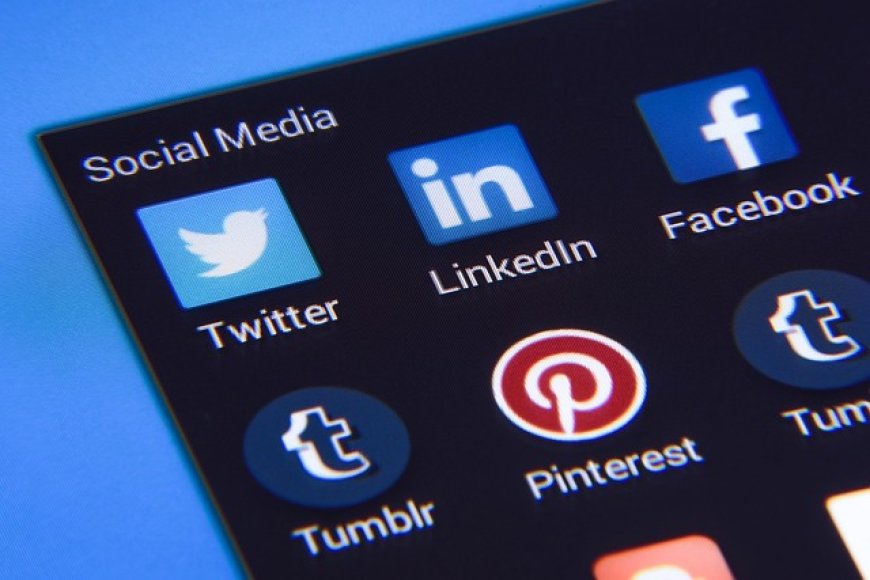
Social media has transformed human communication more profoundly than any technology in modern history. What began as a way to share updates with friends has evolved into a global communication ecosystem that shapes relationships, culture, business, and social movements. Today, social media influences how we express ourselves, form connections, consume information, and engage with the world.
This article explores how social media is changing the way we communicate and connect, examining its impact on personal relationships, professional interactions, communities, and society as a whole.
1. Communication Has Become Instant and Global
One of the most significant changes social media has introduced is instant, borderless communication. People can connect with anyone around the world in real time, regardless of distance or time zones.
Key effects include:
-
Faster information sharing
-
Real-time conversations across continents
-
Reduced communication barriers
-
Increased global awareness
This instant connectivity has strengthened long-distance relationships and enabled global collaboration on an unprecedented scale.
2. Visual and Multimedia Communication Takes Center Stage
Traditional text-based communication is increasingly being replaced by images, videos, emojis, and voice messages. Visual content allows people to express emotions, experiences, and ideas more effectively.
Social media encourages:
-
Storytelling through images and videos
-
Short-form and live video communication
-
Emotional expression through visual cues
This shift has made communication more engaging and accessible, even across language barriers.
3. Social Media Redefines Personal Relationships
Social media platforms play a major role in how relationships are formed and maintained. Friendships, family connections, and romantic relationships now often begin or develop online.
Changes in relationships include:
-
Continuous digital interaction
-
Public sharing of personal moments
-
Easier reconnection with old contacts
-
New social norms around communication
While social media helps people stay connected, it also changes expectations around availability and responsiveness.
4. Communities Form Beyond Physical Boundaries
Social media enables people with shared interests, values, or experiences to connect regardless of location. Online communities provide a sense of belonging and support.
Examples include:
-
Interest-based groups
-
Professional networks
-
Support communities
-
Cultural and social movements
These digital communities often create meaningful connections that extend beyond online interactions.
5. The Rise of Public Conversations and Digital Identity
Social media has blurred the line between private and public communication. Individuals now communicate not only with people they know but also with broader audiences.
This shift affects:
-
Personal branding and online identity
-
Self-expression and opinion sharing
-
Public discourse and debate
People are more conscious of how they present themselves online, shaping digital identities that reflect personal values and goals.
6. Professional Communication and Networking Evolve
Social media has changed how professionals communicate, network, and build careers. Platforms designed for professional interaction enable direct access to opportunities and industry insights.
Professional benefits include:
-
Direct communication with industry leaders
-
Personal brand building
-
Knowledge sharing and collaboration
-
Remote networking opportunities
Career growth is no longer limited by geography or traditional networking methods.
7. Social Media Influences Language and Communication Styles
The way people communicate has evolved due to social media culture. Abbreviations, emojis, hashtags, and memes have become part of everyday language.
These changes reflect:
-
Faster, more casual communication
-
Creative expression through symbols
-
Cultural trends shaping language
While some view this as informal, it demonstrates the adaptability of human communication.
8. Emotional Expression and Social Validation
Likes, comments, and shares have introduced new forms of social feedback. These interactions influence how people express themselves and perceive social acceptance.
Effects include:
-
Increased need for validation
-
Greater awareness of social presence
-
Emotional responses to online feedback
This dynamic highlights the psychological impact of social media on communication and self-perception.
9. Social Media as a Tool for Social Change
Social media has become a powerful platform for raising awareness and driving social change. Movements, campaigns, and activism thrive through online communication.
Key advantages include:
-
Rapid message dissemination
-
Amplification of marginalized voices
-
Collective action and organization
Digital communication empowers individuals and communities to influence public opinion and policy.
10. Challenges and Responsible Communication
Despite its benefits, social media also presents challenges such as misinformation, miscommunication, and reduced face-to-face interaction.
Addressing these challenges requires:
-
Digital literacy and critical thinking
-
Respectful online communication
-
Balanced use of social platforms
Responsible communication ensures that social media remains a positive force for connection.
Conclusion
Social media has fundamentally changed the way we communicate and connect. It has made communication faster, more visual, and more inclusive while reshaping relationships, communities, and professional interactions. As social media continues to evolve, its influence on human connection will grow even stronger.
By using social media thoughtfully and responsibly, individuals and organizations can foster meaningful connections, share ideas, and build stronger digital communities in an increasingly connected world.